The first Physics-Native AI
for Runtime Operations
One physics-native platform, applicable wherever AI interacts with the physical world from edge to cloud. Grounded by 27 governing physics from thermal to fluids, all at 60Hz or faster - deterministic, repeatable, and validated. Everything that Physical AI promised - delivered.
Learn more about Manifold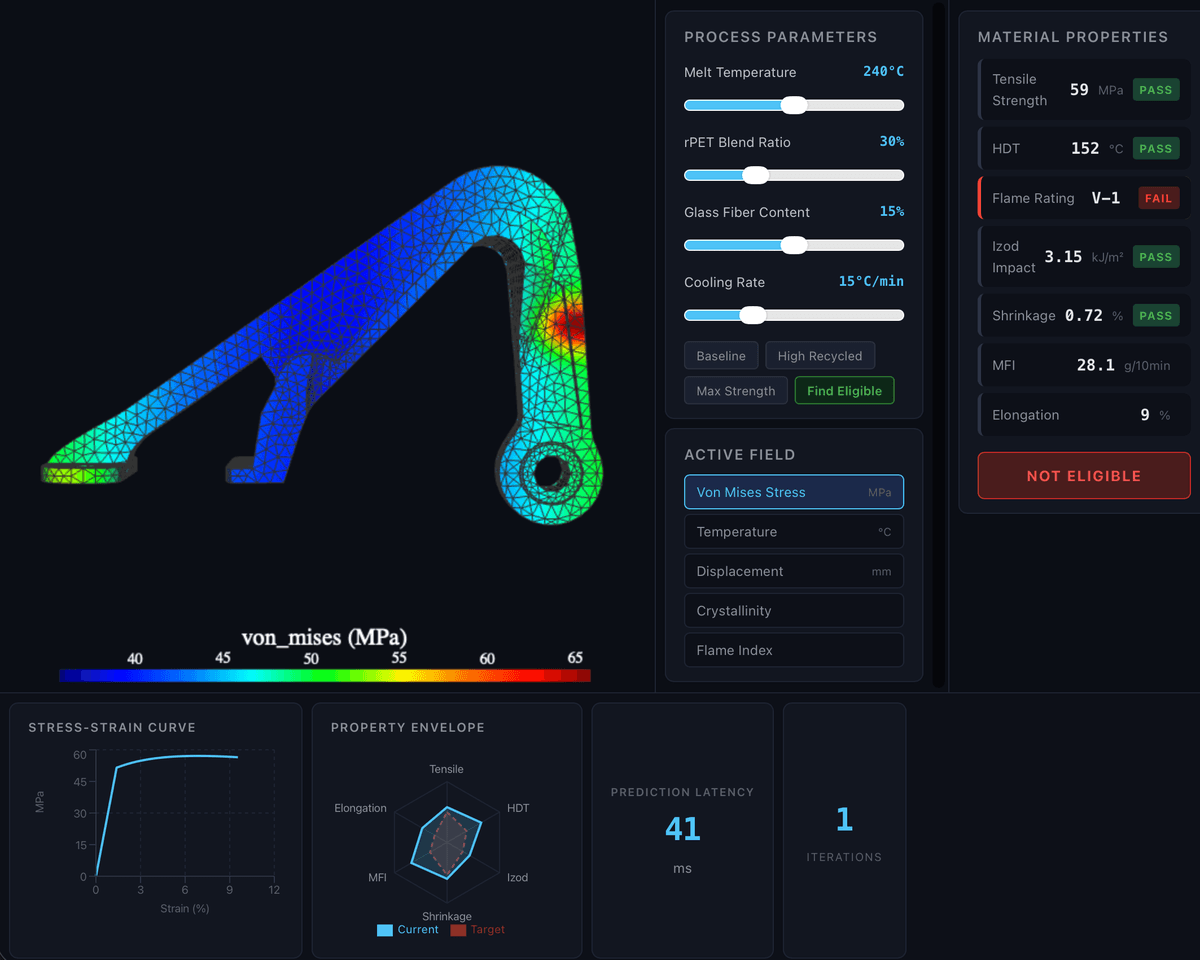
Physics-native AI for the physical world
Manifold is a groundbreaking State Space world model that calculates physics. Not guessing from patterns, but through the fundamental equations that govern how the physical world actually works. Predictions, optimizations, and activities are validated before action occurs - ensuring reliable, safe, and accurate operations.
Wherever AI meets the physical world
Physics generalizes in fundamental ways that pattern-recognition inference cannot. The same governing equations apply across materials, domains, and industries. Without re-training, without re-engineering - requiring minimal compute and data resources.
Manufacturing
Battery, concrete, composites, steel, pharma
Robotics
Contact-rich manipulation, deformable materials, fluids
Autonomous Systems
Navigation, terrain physics, spatial intelligence
Spacetech
Satellite data, flood prediction, orbital mechanics
AI Stack Augmentation
Physics layer for LLMs, VLAs, robotics platforms
Scientific Discovery
Route optimization, materials research, engineering
Advancing Physical AI through groundbreaking research
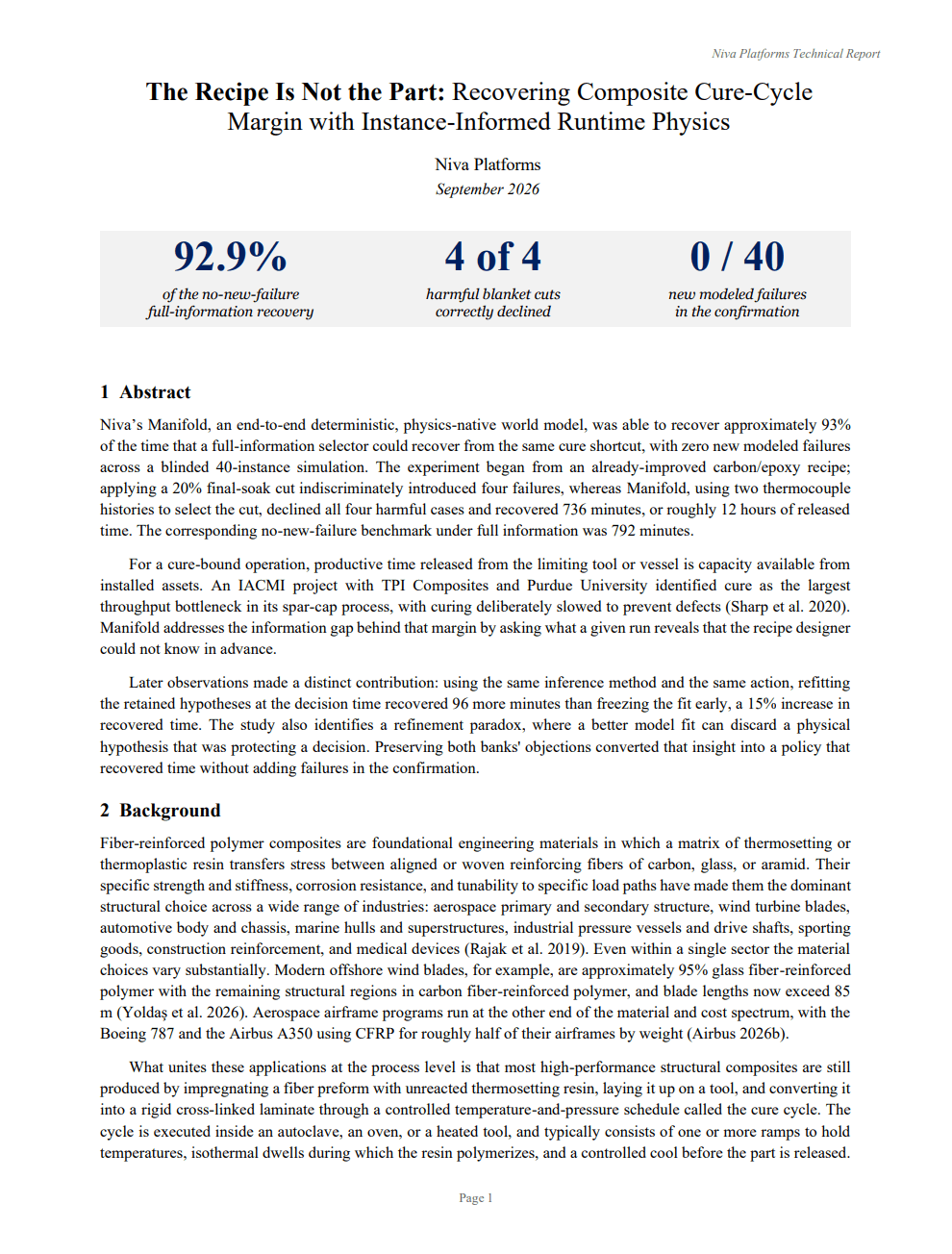
Research: The Recipe Is Not the Part - Recovering Composite Cure-Cycle Margin with Instance-Informed Runtime Physics
Read more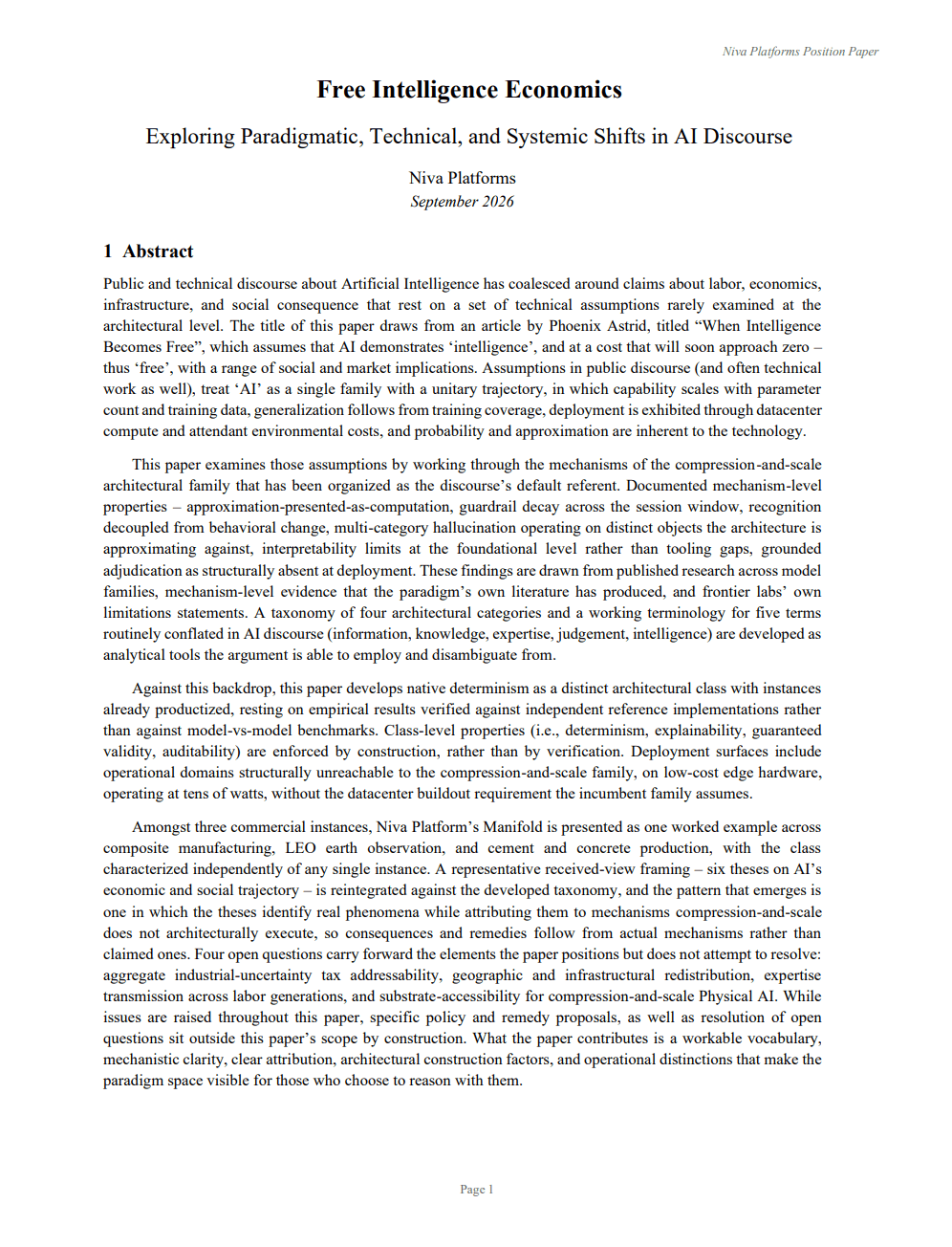
Research: Free Intelligence Economics - Paradigmatic, Technical, and Systemic Shifts in AI Discourse
Read more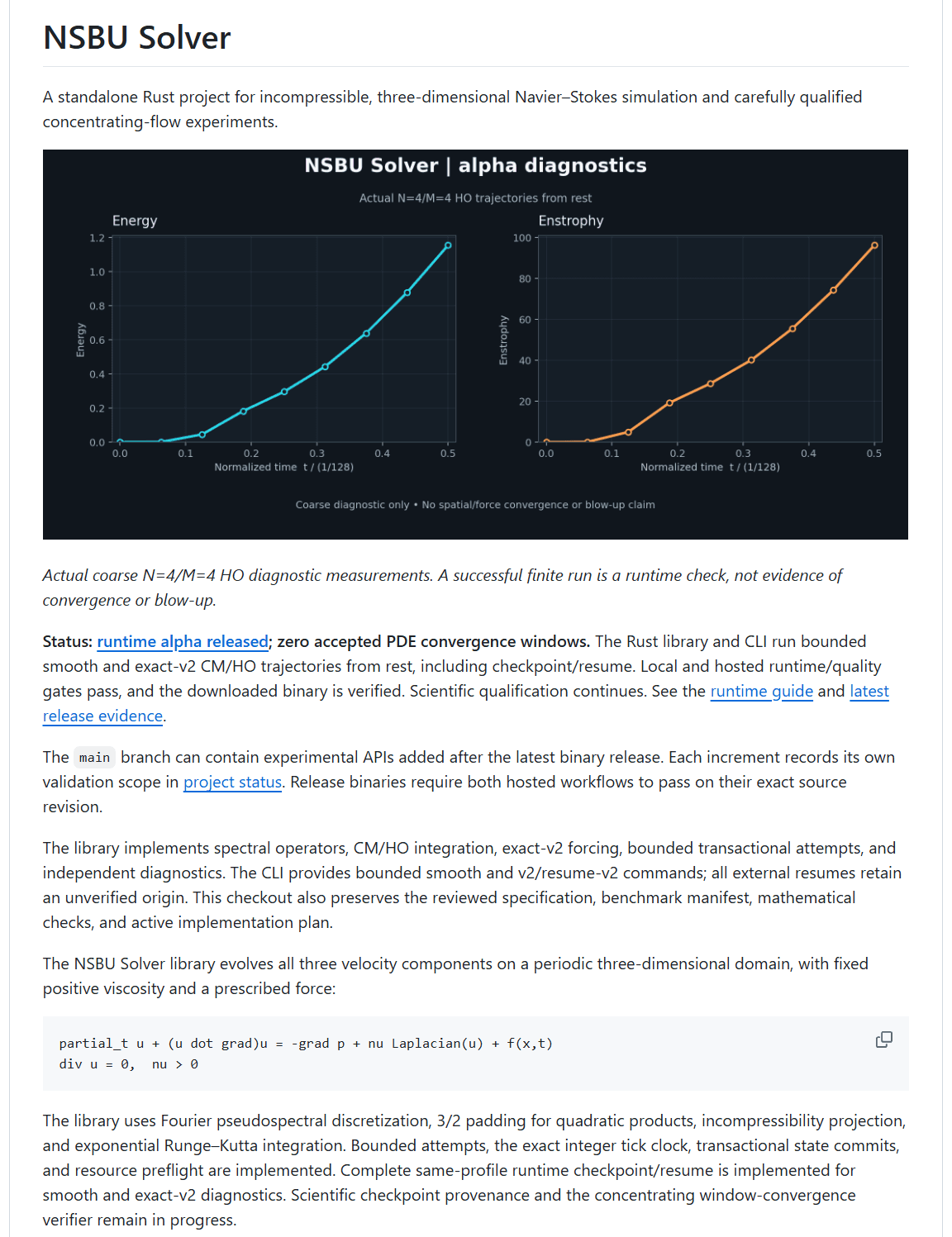
Research: NSBU - Open-Source Deterministic Runtime for Rigorous Navier-Stokes Diagnostics
Read moreLatest news from Niva
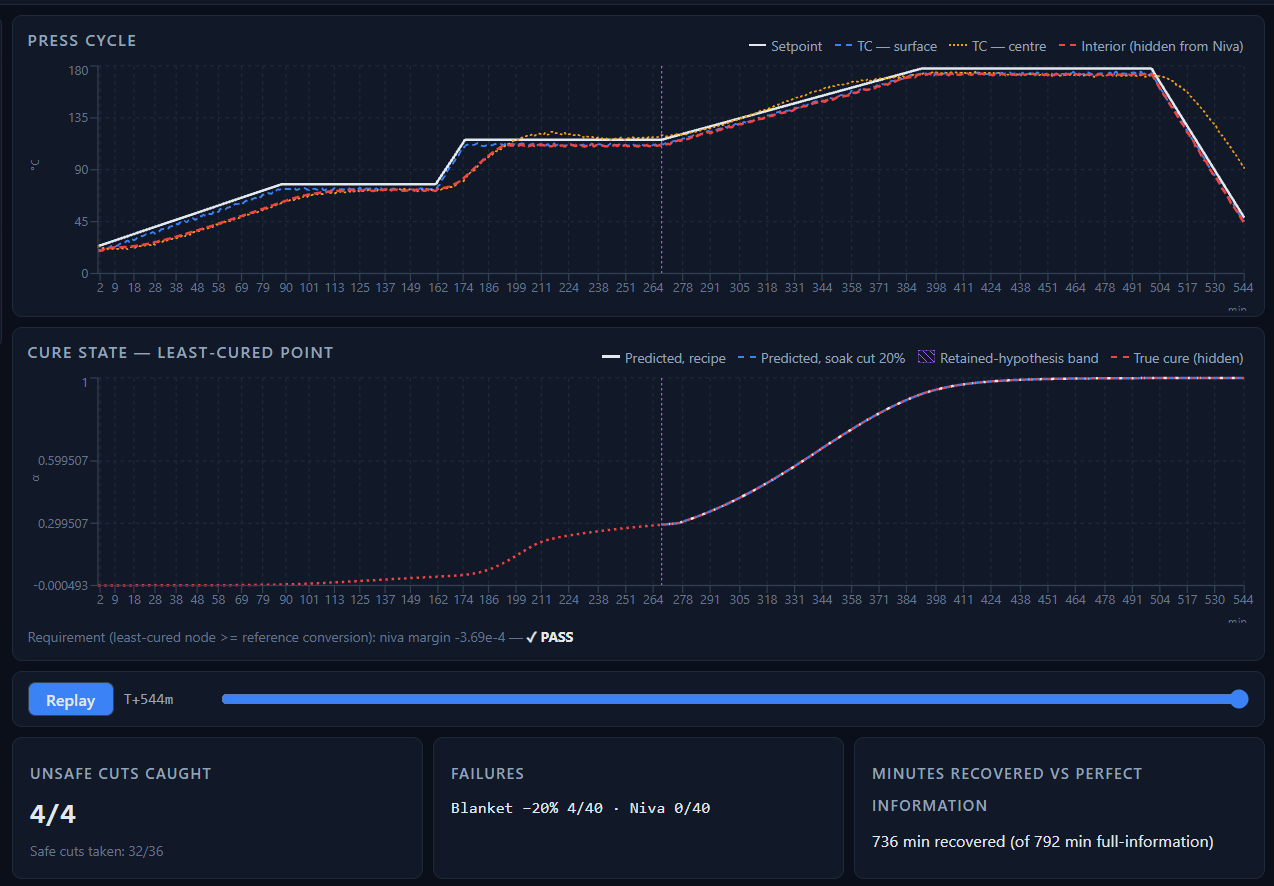
Demo: Runtime Cure Control, cure-cycle margin recovery with instance-informed runtime physics
Manifold calculates each carbon/epoxy press load's physical conditions from sensor history, and cuts the final soak by 20% only when the coupled physics predicts a compliant outcome. Across 40 blinded loads, Manifold declined unsafe cuts and safely recovered 736 of 792 minutes (92.9%) during the composite cure cycle. Try it on the Demos page.
Read more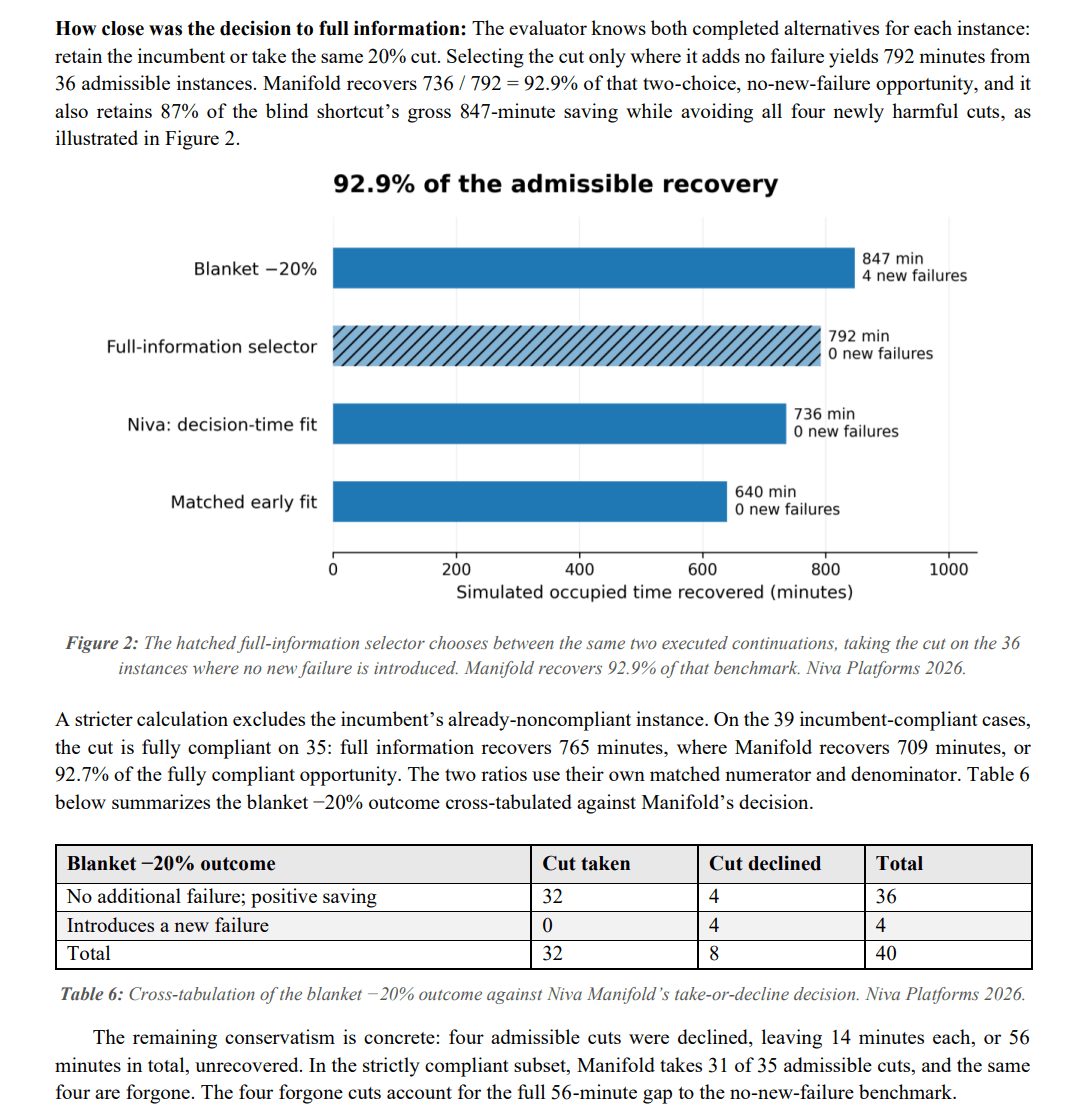
The margins inside composite manufacturing: How runtime physics can recover value from fixed cure recipes
Niva has published a technical study of composite cure-cycle margin recovery through instance-informed runtime physics. Manifold recovered 93% of the theoretical margin at approximately 11 seconds of compute per instance, using two thermocouples the process already has. Composite cure recipes are calibrated for the most demanding admissible instance in an envelope, and every less-demanding run inherits the same duration — structural margin no better recipe can remove.
Read more
Grounded adjudication: The unnamed scarcity and what it means for Physical AI
Phoenix Astrid's Medium article "When Intelligence Becomes Free", published in January 2026, described AI intelligence as commoditizing toward zero cost, with attention becoming the last scarce human resource. Anyone who has used LLMs at depth has seen a different pattern: output that reads well at first glance, then reveals generic framing, insights that are off, references that are fabricated. Niva Platforms' September 2026 position paper, Free Intelligence Economics, names what is actually scarce: grounded adjudication - the capacity to evaluate whether an output is accurate, appropriate, reasonable, and competent. In the physical world, the stakes are far more significant. Niva examines native determinism as a solution to the scarcity problem in Physical AI.
Read more